
The Talent Trap: When Potential Gets Left Waiting
MRG Wire
Robotics Industry Insights
What’s driving robotics forward
in the lab, on the line, and in the market
After more than 600 interviews with engineers and leaders in automation, Executive Recruiter Conner Holderness began to notice a pattern. The people leaving their companies were not burned out or underpaid. Something smaller and harder to fix was pushing them out. Welcome to the November edition of Robotics Industry Insights, where Conner shares what those conversations reveal about the quiet signals leaders often miss and why belief, not compensation, remains the most undervalued currency in robotics.
The Talent Trap: When Potential Gets Left Waiting
By Conner Holderness, Executive Recruiter – Industrial Automation & Robotics
Annual reviews are around the corner. For some of your team, they will be a formality, another checklist meeting. But for a few, that conversation will decide whether they stay engaged or start looking.
You probably have someone on your team who shows up, solves problems, and makes everyone’s job easier. But they are waiting, for a title, an opening, or a sign that you believe they are ready. When you take that chance, it changes how they show up. It is not just a promotion. It is belief. And belief makes people stretch, learn faster, and push harder because they do not want to let you down. That kind of loyalty cannot be bought. People remember who took a chance on them. They give everything they have because you gave them a shot.

In the last year, I have interviewed more than 600 employed candidates across the manufacturing and automation industry. The stories are consistent. They are not leaving because of pay. They are leaving because growth stalled.
Here are the top 10 reasons they tell me they are open to new opportunities:
1. No upward mobility (or no path to management)
This is the single most common reason I hear. When a top performer cannot see the next step, they start looking for it elsewhere.
2. Unfulfilled promises
Missed raises, delayed title changes, or projects that never materialize do more than frustrate people. They break trust.
3. Lack of innovation or future direction
When companies stop moving forward, ambitious people take it as a signal to move on.
4. Desire for more challenge
Engineers, in particular, need problems that stretch them. When the work becomes repetitive, they start to lose interest.
5. Micromanagement
Autonomy is everything. Engineers want ownership. Salespeople want trust. The moment they lose it, motivation follows.
6. Poor management
Few will say this directly, but it is easy to read between the lines. Leadership behavior shapes retention more than pay ever will.
7. Uncertainty about the future
If people are unsure where the company is going, they assume they need to secure their own direction.
8. Less travel
This one surprises some leaders. It is not about laziness; it is about sustainability. Many want to keep contributing without sacrificing personal life.
9. Lack of recognition
High performers notice when their effort goes unnoticed. When appreciation disappears, so does momentum.
10. Missed opportunity for belief
This is the quiet one behind them all. The sense that no one saw what they were ready for.
Every one of these reasons points back to leadership. People do not leave because they are unhappy. They leave because they stop feeling seen.
As leaders head into review season, look at your team. Who is ready for something bigger, even if the org chart is not ready for them?
Give them a shot. They will not forget it.
Industry Insight
The Rise of Physical AI
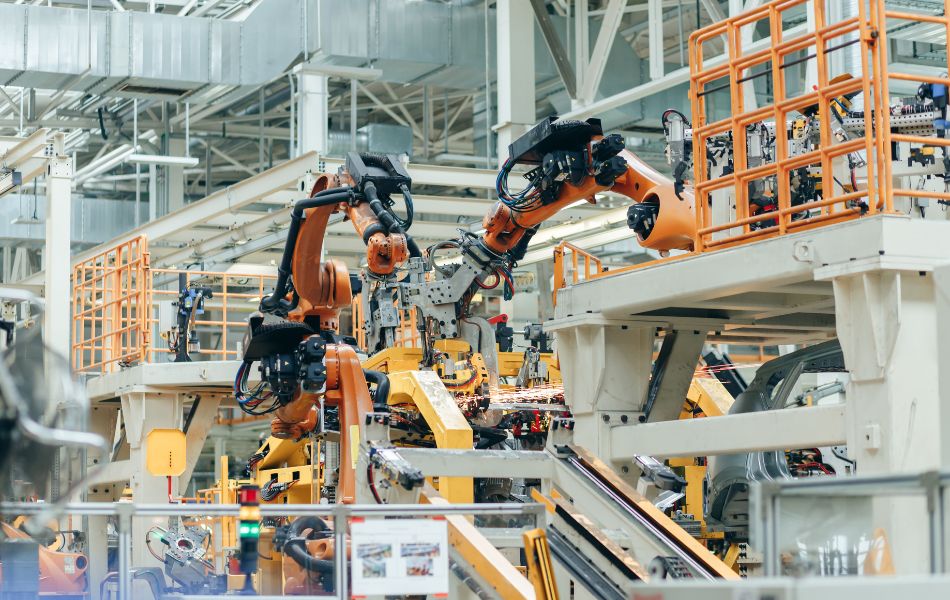
Forget the consumer tech hype around home robots like NEO picking up your dirty laundry. Deloitte’s new report declares the arrival of “physical AI,” describing intelligent robots capable of autonomous action in manufacturing and logistics. It marks the next phase of automation, where leaders must confront rising cyber risks and workforce challenges to capture a projected $392 billion global robotics market by 2033.

Upcoming Events
November
International Robot Safety Conference (A3)
Rockwell Automation Fair
December
Silicon Valley Humanoids Summit
January
Like These Insights? Explore More.
→ Choose from our other industry newsletters.
→ Visit our Employer Resources hub for reports and insights.
Looking to Hire?
Your next high performer isn’t browsing job boards. Let’s talk.