
AMC 2025 Meat Industry Report: Key Trends in AI, Shoppers, and Sustainability
MRG Wire
Meat Industry Insights
What’s shaping the meat industry
on the floor, on the shelf, and in the boardroom
Welcome to this month’s issue of MRG Wire – Meat Industry Insights, where we break down what’s actually moving the needle in the meat industry right now—from the shifting mindset of modern shoppers to how AI is quietly redefining retail strategy. From fresh insights gathered at AMC 2025 to real-world recruiting insight, this edition brings you practical knowledge for staying competitive and building smarter teams.
Takeaways from the 2025 Annual Meat Conference
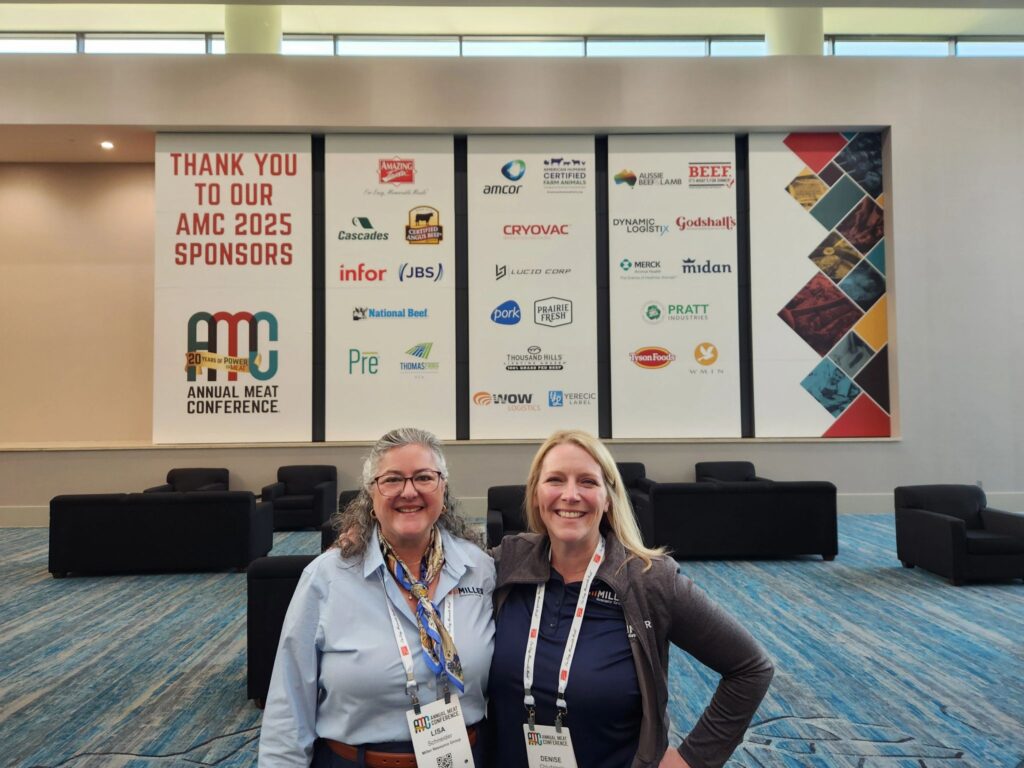
By Denise Chludzinski, VP of Business Development at Miller Resource Group
The Annual Meat Conference, held this year in Orlando, offered more than a glimpse into what’s new—it offered a sense of where the industry is headed. In between product showcases and packed sessions, the real action happened in conversations about evolving consumer habits, misunderstood sustainability terms, and the growing role of data in everyday decisions. One of our recruiters returned with key takeaways that hint at what forward-thinking companies should be watching next.
Meeting the Occasion-Driven Shopper
A consistent thread throughout the event was the balancing act between affordability and aspiration. While everyday purchases remain price-sensitive, consumers are increasingly willing to trade up for quality when the moment calls for it—holidays, birthdays, weekend grilling rituals. That demand opens the door for innovation, but not in isolation. The companies making waves are those that align product development with genuine insight into what customers are celebrating—and why.
The Regenerative Meat Label Is Real—But So Is the Confusion
Among the more talked-about topics was “regenerative meat.” While the term is rooted in well-established agricultural practices like rotational grazing and cover cropping, consumer understanding hasn’t caught up. Some attendees joked that shoppers thought it referred to animals regrowing limbs. It’s a lighthearted anecdote with a serious point: sustainable practices don’t translate into value unless they’re clearly communicated. Messaging, in this space, needs to be as carefully crafted as the products themselves.
AI in Aisle Five
AI wasn’t splashed across every banner, but it was in nearly every strategic conversation. From predicting product lift during promotions to optimizing shelf placement in real time, the technology is gaining traction. Still, its effectiveness hinges on something more analog: the judgment of the people using it. The teams that stood out were those who could interpret what the data was saying—and act before the moment passed.
Industry Insight
There’s increasing consumer interest in ethnic meat offerings as U.S. demographics evolve. Products like chorizo, for example, saw a 3.9% sales increase over the past year — a sign that variety and cultural relevance are playing a bigger role in meat-purchasing decisions. Producers looking to stay competitive may benefit from diversifying their product lines.
Read the full trend breakdown →

Expert Tip
The top performers in meat and food production are usually not actively job-seeking. If your recruiting strategy relies on job boards, you’re missing most of the market.
Looking to Hire?
Your next high performer isn’t browsing job boards. Let’s talk.